What is changing behind Phat Dat’s deals?
Recent news that Phat Dat Real Estate Development Corporation (HOSE: PDR) is being considered to participate in the funding structure of Lotte Properties HCMC’s Thu Thiem Eco Smart City project has emerged as an intriguing market story. What draws attention is not only the scale of investment—potentially up to VND 50 trillion—but also the company’s ability to step into the “big league” alongside international conglomerates. This is widely seen as a clear indication of Phat Dat’s enhanced capabilities following a prolonged period of instability in the real estate market.
—
For years, Thu Thiem area has been regarded as a “proving ground” for urban developers in Ho Chi Minh City. Projects here require not only substantial capital but also strong legal expertise, governance capabilities, and long-term operational capacity. Moreover, for international groups such as Lotte, selecting a local partner is not merely about sharing investment costs, but about adding a critical link capable of navigating a complex legal environment and local market. As a result, partner selection criteria appear to have shifted from “companies capable of rapid development” to “those with reliable operational capabilities.”
Accordingly, the focus of due diligence is no longer solely on land bank size or sales velocity, but increasingly on financial structure, risk management track record, and organizational capacity. In this context, Vietnamese developers like Phat Dat are demonstrating an expansion of capabilities to become credible and “well-matched” partners.
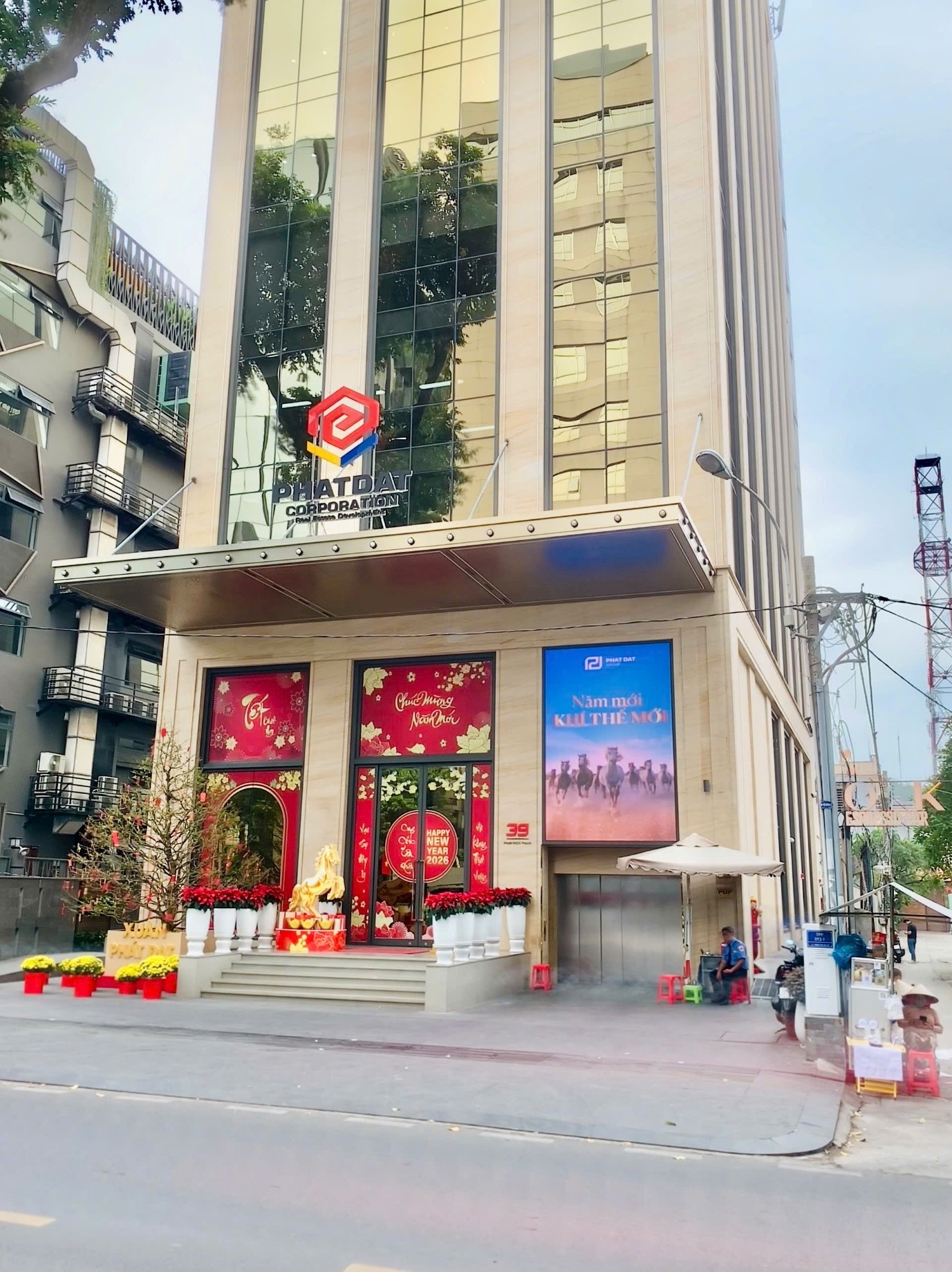 Phat Dat has made a series of decisive moves since the beginning of the year.
This represents new criteria in Vietnam’s real estate sector. After years of growth driven by financial leverage, the market is entering a phase of rebalancing, where real cash flow and capital discipline are becoming key determinants of survival. Foreign investors returning to the market no longer seek short-term opportunities, but long-term partnerships in which opportunities and risk management capability can be shared.
Against this backdrop, Phat Dat’s inclusion in the investor selection process for a potential 35% investment in Thu Thiem Eco Smart City carries significance beyond a mere business deal—it has become a case worth watching. Not because of the final outcome, but because Phat Dat’s participation in the capital due diligence process itself reflects a certain level of trust from international partners.
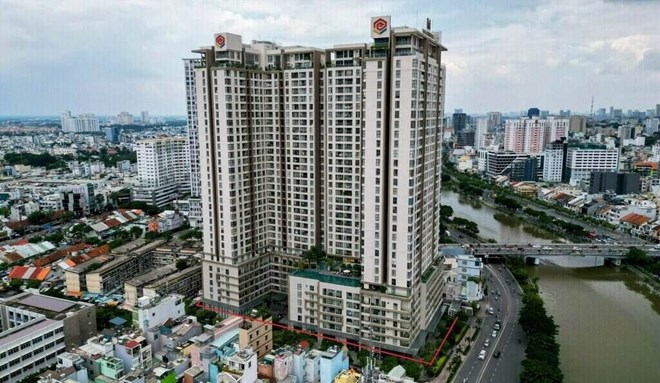
Further evidence of Phat Dat’s upgraded capabilities can be seen in another notable development. The company has recently established a successful partnership with Mitsubishi Corporation through Thuan An 1 project. This deal may be considered a key milestone in Phat Dat’s strategy to expand international partnerships.
One of the most notable aspects of Thuan An 1 lies in its capital structure. Phat Dat transferred a majority stake in the project to recover cash flow, while continuing to participate in its development to ensure consistency in product quality as originally designed. This model—sharing ownership and capital resources—is widely adopted in markets such as Japan, South Korea, and Singapore, where local developers act as operators rather than merely retaining full ownership.
 Phat Dat has already received over VND 1.9 trillion in the first tranche from Thuan An 1 deal with Mitsubishi Corporation.
This approach reflects a shift in Phat Dat’s capital management strategy. Instead of relying on leverage to accumulate long-term assets amid ongoing market risks, the company is optimizing capital turnover while sharing both opportunities and risks with financially strong partners.
Another less-discussed factor is Phat Dat’s upgraded development standards. Thuan An 1 project is being developed in line with international standards such as LEED and Fitwel, requiring stringent compliance in design, construction, and operations to ensure environmental sustainability and residents’ well-being. These standards enable Phat Dat to meet the rigorous requirements of Japanese investors such as Mitsubishi. Being accepted as a partner by a leading Japanese corporation implies that Phat Dat has successfully passed an extensive due diligence process on governance systems and organizational capacity.
When viewed together, Phat Dat’s engagements with Mitsubishi and Lotte reflect a new market trend. International corporations no longer simply seek land banks in Vietnam—they are looking for capable local partners who can serve as operational bridges within regional capital ecosystems.
This role demands far more than conventional project development capabilities from domestic enterprises such as Phat Dat. It requires financial transparency aligned with international standards, strong organizational capabilities to execute ESG-compliant projects, and a willingness to balance profit considerations with a long-term perspective rather than pursuing short-term gains.
Another notable point is Phat Dat’s geographic strategy. Recent developments indicate a strong focus on Ho Chi Minh City—from satellite areas such as Thuan An to core zones like Thu Thiem. These locations offer solid economic fundamentals and long-term absorption capacity driven by real demand across market segments — the criteria increasingly prioritized by international investors amid rising global uncertainties.
Phat Dat’s presence in high-level international negotiations reflects a meaningful shift in its capabilities in both collaboration and competition. The company appears ready to step into more demanding “arenas” requiring higher standards of professionalism and financial strength.
Phat Dat’s leadership has previously emphasized the ambition to build new competitive advantages in the next cycle—not only through growth in scale and speed, but through capital management, transparency, and the ability to participate in international investments. Recent developments suggest that Phat Dat is steadily moving toward that goal.