


Phat Dat aspires to contribute to the new urban development chapter of Ho Chi Minh City
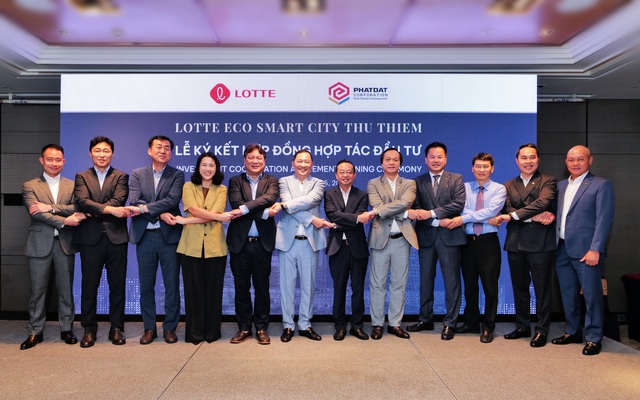
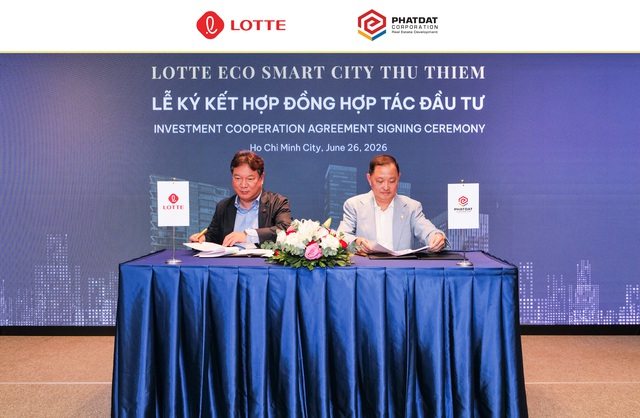
The signing ceremony for the Investment Cooperation Agreement for Lotte Eco Smart City Project between Lotte Group and Phat Dat Real Estate Development Corporation (HOSE: PDR) on June 26, 2026 received coverage from various media outlets.
However, behind the event lies a much broader story. In a private conversation with us, Mr. Nguyen Van Dat, Chairman of Phat Dat’s Board of Directors, spoke very little about the transaction itself. Instead, he talked about a much bigger picture. It is the trajectory of Ho Chi Minh City's urban development and the value that Phat Dat aspires to create as part of that journey.
The cooperation between Phat Dat and Lotte has become one of the market's major highlights. However, you said that it is only one part of a much larger picture. Could you elaborate on what you mean by that "larger picture"?
The recent signing ceremony is of great significance, not only for us. But what is even more important is the context in which it took place. Ho Chi Minh City is entering a new phase of redefining itself as a megacity. We are witnessing the gradual emergence of a new administrative, financial, service and international commercial center in Thu Thiem. The metro network is connecting different parts of the city, and the urban boundaries are expanding in ways that few could have imagined just a decade ago.
At such a pivotal moment, some businesses will choose to stand on the sidelines and observe, while others will choose to be part of the transformation. I would like to say sincerely that we want to be part of the city's future and to grow alongside the city.
To me, the partnership with Lotte represents a milestone that allows Phat Dat to become part of this urban development journey. So, we are not merely addressing today's opportunities; we are taking decisive action in pursuit of a much longer-term vision and strategy.
How do you view Ho Chi Minh City's current urban development trajectory? In your opinion, what direction is the City taking?
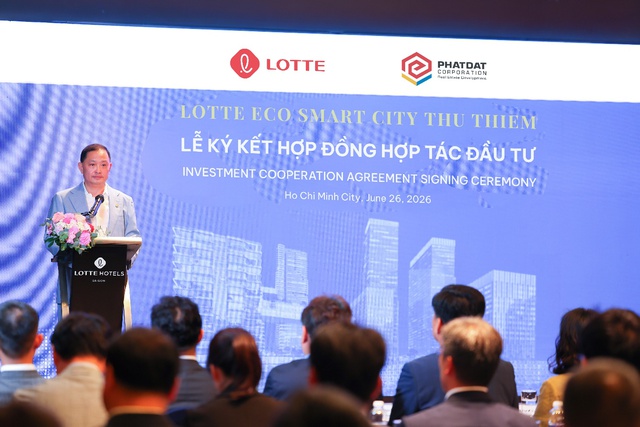
Looking back over the past thirty years, Ho Chi Minh City's growth has been driven primarily by territorial expansion. Most developments took place through individual districts and standalone projects that were subsequently pieced together. Master planning efforts have not always been effectively coordinated. Today, however, we are witnessing a clear shift in the City's development mindset. The next phase of development will be markedly different in terms of quality.
The City no longer has ample room for outward expansion. Instead, it will pursue deeper, more intensive developments centered around key infrastructure corridors, particularly the metro network, giving rise to well-planned urban communities. Thu Thiem is perhaps the best example. For the first time, Ho Chi Minh City has the opportunity to create an entirely new central core directly opposite the existing city center, designed from the outset to international standards. That is an exceptionally rare opportunity. Most major cities around the world have taken decades—and made considerable trade-offs—to achieve something similar.
When infrastructure, urban planning and international capital converge in one place, they create not merely real estate, but a new urban center for the entire city. I believe the next decade will be the period in which Ho Chi Minh City undergoes its most profound transformation. The decisions made today will therefore leave a lasting imprint on the City's future.
In such a context, how does the role of a real estate developer like Phat Dat change?
It changes significantly. In the past, a successful real estate developer was one that could identify the right land bank, develop quality projects and successfully market its products. However, as the City shifts toward integrated urban centers, the criteria for success are also changing. Success is no longer measured solely by the number of units sold, but by whether a developer contributes to creating a truly livable urban environment. Residential, commercial and service facilities, public spaces and infrastructure must function as an integrated whole.
This requires an entirely different way of thinking from the past. Real estate companies must think at the scale of urban development and city development, rather than merely at the scale of individual projects.
In my view, those companies that are able to embrace this mindset early will play a leading role over the next ten to twenty years. As for Phat Dat, we understand that we are contributing to urban development, not simply selling products within the urban environment.
Achieving this is by no means easy. It requires capability, patience and, above all, the courage to move beyond conventional thinking. Yet this is the direction in which the market is evolving, and we are proactively repositioning ourselves to move in step with that trend, rather than merely adapting to it.
Listening to your remarks, many would conclude that Phat Dat now sees itself as an "urban developer" rather than simply a conventional real estate developer—that the Company is repositioning itself rather than continuing with its traditional approach. Would you agree with that interpretation?
As I mentioned earlier, we are gradually making that transition and have deliberately chosen a new direction in line with the market's evolution. That said, I would not rush to attach any particular label to ourselves. In my experience, meaningful transformation does not begin with declarations; it begins with action.
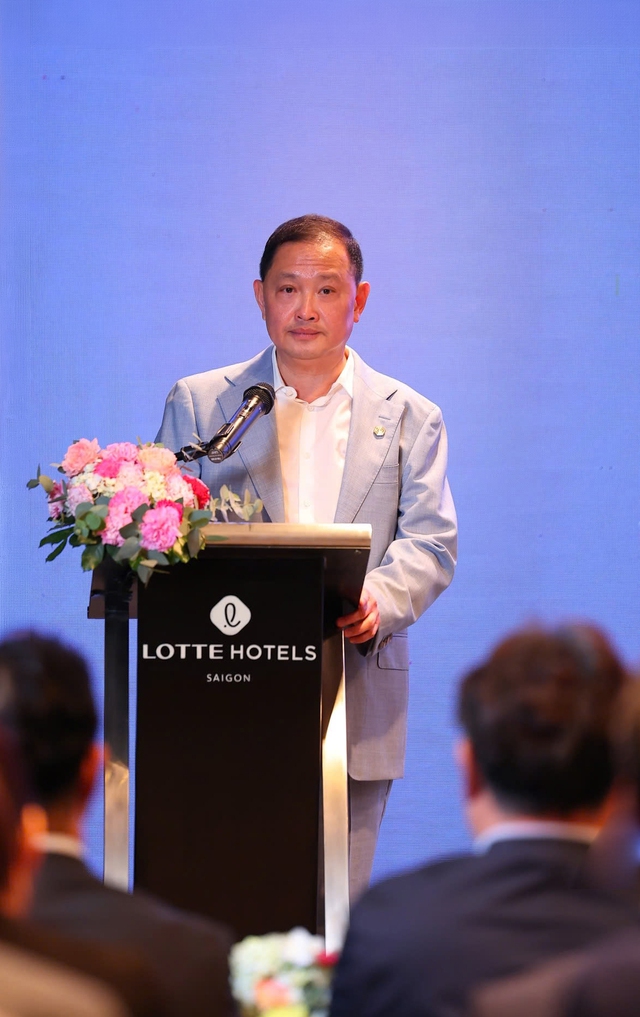
In the past, Phat Dat's story was largely about building a land bank and developing projects. Today, however, I believe you can already see the changes taking place. We are refining and rebalancing our portfolio, focusing on areas with strong underlying demand—particularly our strategic emphasis on the urban core—and partnering with international investors on projects in landmark locations.
These efforts reflect our ambition to play a broader role in the City's urban development. That said, I want to be candid: we are on a journey of transformation, not at the end of one. Any meaningful transformation takes time. It requires continuous testing and refinement before a new direction can fully take shape, with the results ultimately speaking for themselves.
How has the past two years of restructuring prepared Phat Dat for this next phase?
The past two years have been challenging for the entire real estate sector, and Phat Dat has not been immune to those headwinds. If I had to choose one word to describe what we have done during this period, it would be "discipline." We reviewed our project portfolio and divested certain projects in locations that no longer aligned with our strategic priorities, allowing us to reallocate resources to locations in the urban core with the greatest value.
Let me be clear: these were not distressed disposals. They were deliberate strategic decisions. Whenever we exited a project, we had already identified where we intended to reinvest. In other words, our restructuring over the past two years enabled us to answer some fundamental questions: What does Phat Dat aspire to become, and what are we prepared to leave behind in order to get there.
Having gone through that process with discipline, we are now approaching the next major opportunity from a very different position. Our participation in the development of the Lotte Eco Smart City Thu Thiem Project is not a matter of good fortune. It is the outcome of a series of consistent strategic decisions made in pursuit of our previously defined objective of strengthening our presence in the urban core.
Could you tell us more about Lotte Eco Smart City Thu Thiem Project itself? How do you see its position and significance within Phat Dat's strategy?
I believe the value of a project lies not only in its scale, but also in the role it plays within the broader urban landscape. The Lotte Eco Smart City Thu Thiem Project is located in the core precinct of Thu Thiem New Urban Area, directly across Saigon River from Ho Chi Minh City's existing central business district. It sits adjacent to the administrative center, the financial center, the central square and central lake, while enjoying direct access to the metro network, including the line connecting to Long Thanh International Airport. It is one of the most iconic and scarce development sites remaining within Ho Chi Minh City's emerging urban core.
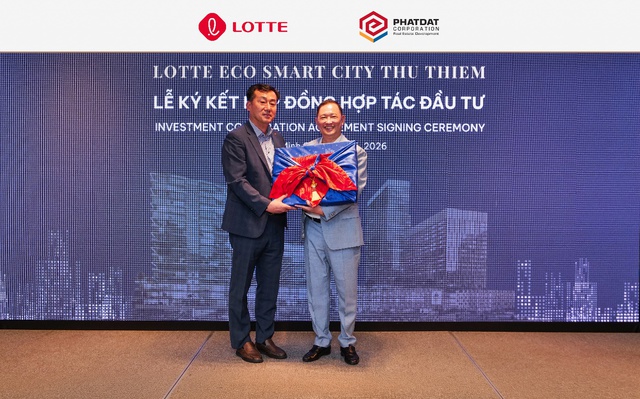
What resonates with me even more, however, is the role that the project is intended to play. This is not simply a residential development. It is a mixed-use urban complex integrating Grade A office space, retail and service podiums, and public spaces, all developed in accordance with internationally recognized standards. A development of this nature serves not only those who live and work there, but also contributes to shaping the identity of the City's new central district.
For Ho Chi Minh City, it represents a key piece in realizing the vision of Thu Thiem as an international financial and commercial center. For Phat Dat, the opportunity to participate in developing a project of such significance speaks for itself.
You just said that "it speaks for itself." What does Lotte's decision to partner with Phat Dat—and Phat Dat standing alongside a global corporation on this project—say about the Company today?
A global group like Lotte, with decades of experience in international urban development, does not choose its partners based on sentiment. It conducts a rigorous assessment of a prospective partner's execution capability, understanding of the local market and regulatory environment. More importantly, it evaluates whether both parties share a common long-term vision and a commitment to sustainable development. For me, Lotte's decision to partner with Phat Dat, following such a comprehensive evaluation process, is a meaningful endorsement. It affirms that more than two decades of accumulated expertise and deep understanding of the Vietnamese market have genuine value and meet international standards of credibility.
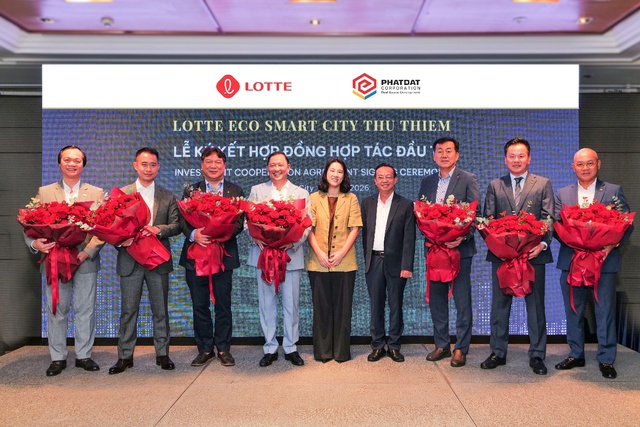
I believe this marks an important milestone, demonstrating that Phat Dat has entered a new stage of development. Not only have we been entrusted to jointly develop a world-class project, but we will also take on a proactive role in developing the project's key commercial assets.
What is the key message you would like shareholders and investors following this transformation to take away?
I hope investors will view this development from a long-term perspective, rather than simply as another headline or an opportunity for short-term gains. The most important thing Phat Dat is creating is not a momentary source of excitement, but a fundamental transformation. We are repositioning our portfolio toward the most valuable assets in the urban core of Ho Chi Minh City and participating in projects that help shape the City's future, all in accordance with international standards.
That is the foundation for creating sustainable long-term value. As for the Company's valuation, I will leave that to the market and the investment community. What I can commit to is our determination, our execution capability, and our confidence that our results will speak for themselves.
To those shareholders who have stood by Phat Dat through challenging times, the best way we can repay their trust is by demonstrating that their confidence was well placed.
How do you envision Ho Chi Minh City five to ten years from now? And where do you see Phat Dat within that picture?
I believe that, within the next five to ten years, Ho Chi Minh City will have undergone a remarkable transformation. By then, Thu Thiem will have firmly established itself as a genuine administrative, financial and international commercial center, complementing and balancing the City's historic urban core across Saigon River. With its scale and exceptionally high development standards, the Lotte Eco Smart City Thu Thiem Project will become one of the new landmarks of modern urban development in Vietnam and a destination that helps attract international investment capital to the City.
When I envision that future, I hope Phat Dat will be remembered as one of the companies that helped shape it. That is why we regard this as a long-term commitment rather than simply a business transaction.
A city is not built over the course of a few quarterly reporting periods. It takes time, patience and a consistent long-term vision. Phat Dat is ready to accompany the City throughout that journey. And I believe that, when this new urban landscape becomes a reality, the story of Phat Dat will be told in a very different way.
Source: Cafef.
RELATED NEWS
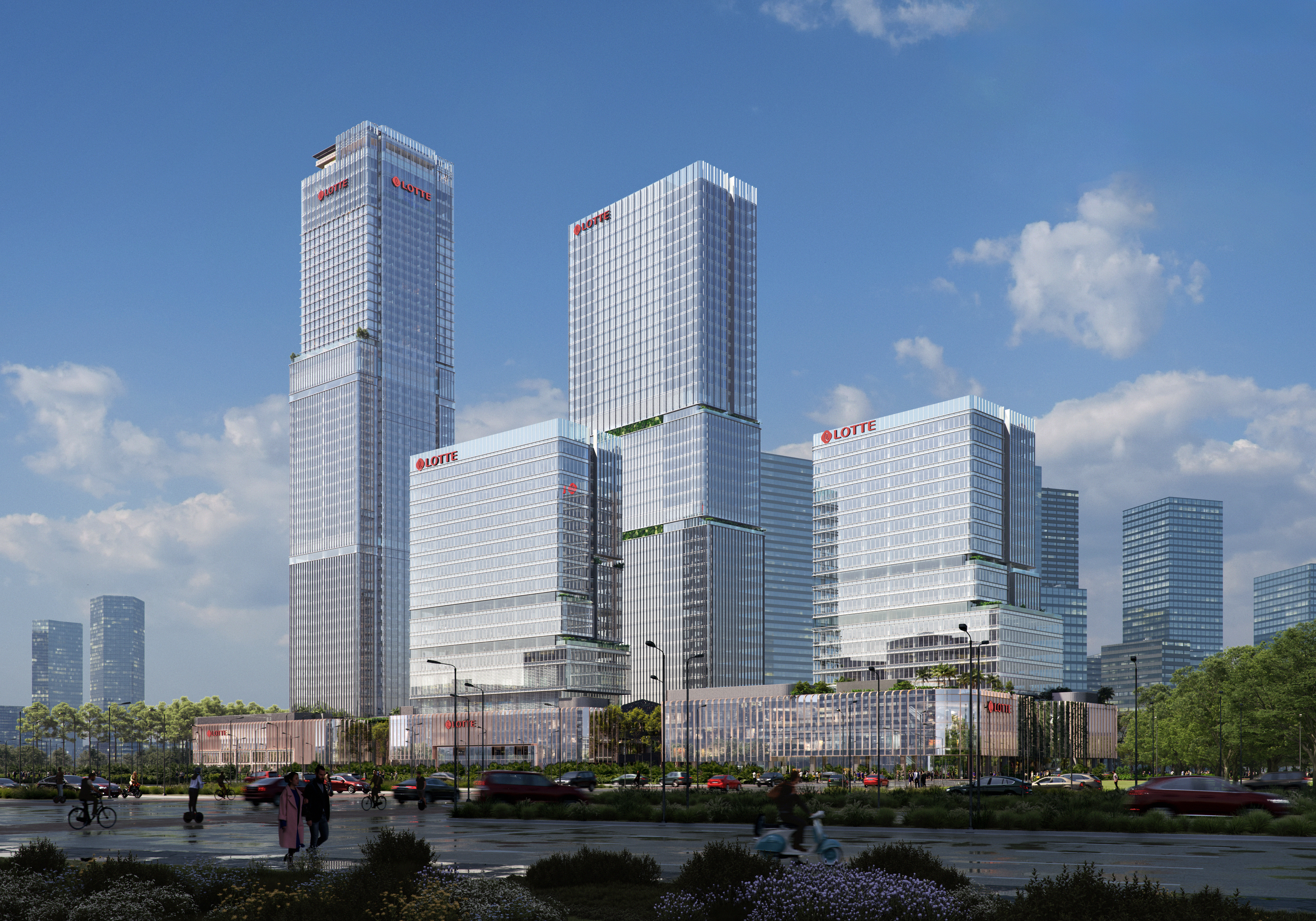
Lotte (Shopping, Hotel, E&C from South Korea) and Phat Dat Real Estate Development Corporation (PDR: HOSE) will jointly commence construction of the residential component and the commercial-service component integrated with office space at Lotte Eco Smart City Thu Thiem on October 23, 2026. The project is developed by LOTTE Properties HCMC Co., Ltd.

As of October 2026, construction continues across La Pura's various components, with several new milestones reached. Progress is as follows:
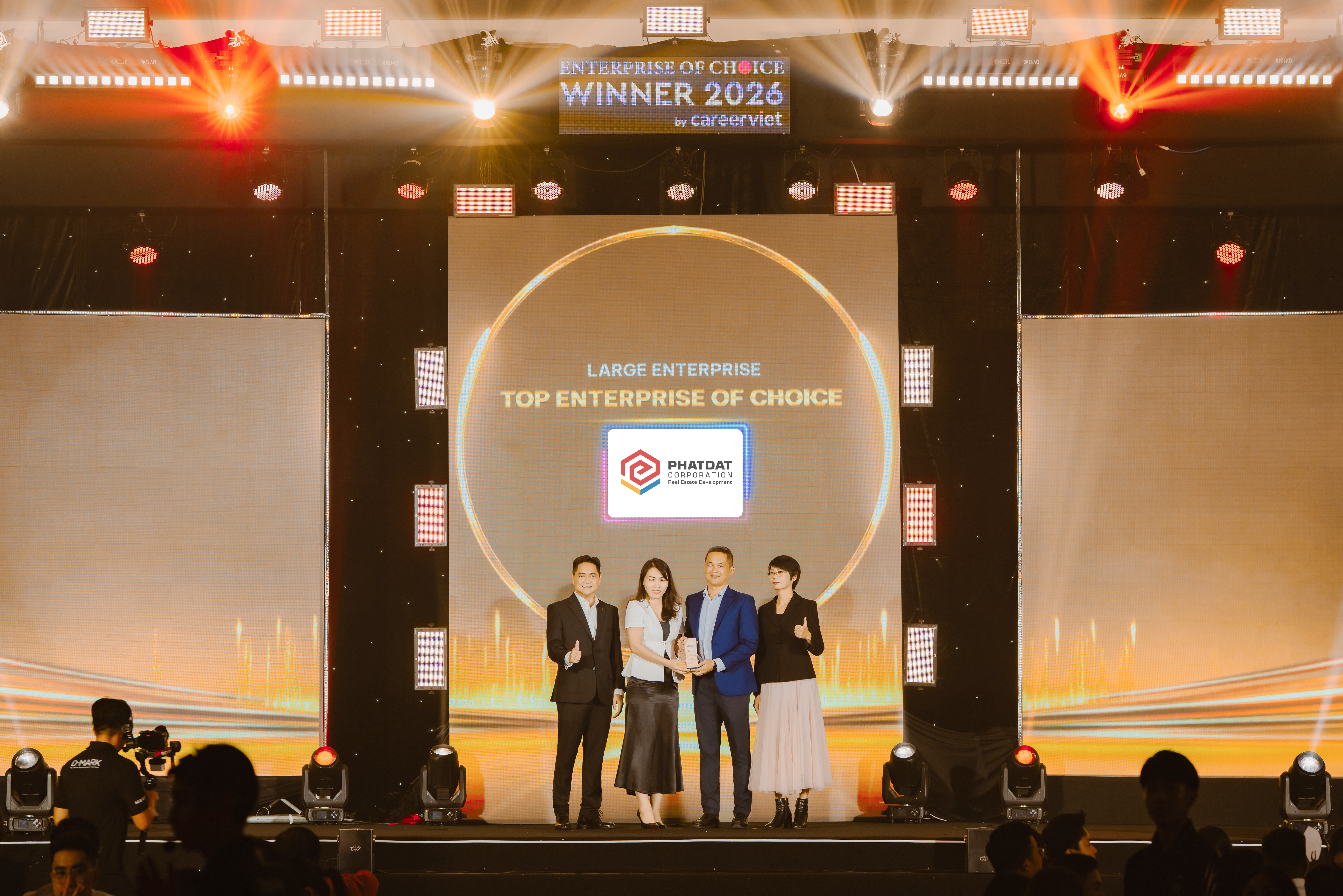
Phat Dat Real Estate Development Corporation (PDR: HOSE) has once again been recognized at the Enterprise of Choice 2026 Awards. Organized by CareerViet in collaboration with market research firm Amco Vietnam, the program recognizes companies that employees rate highly for their workplace environments.
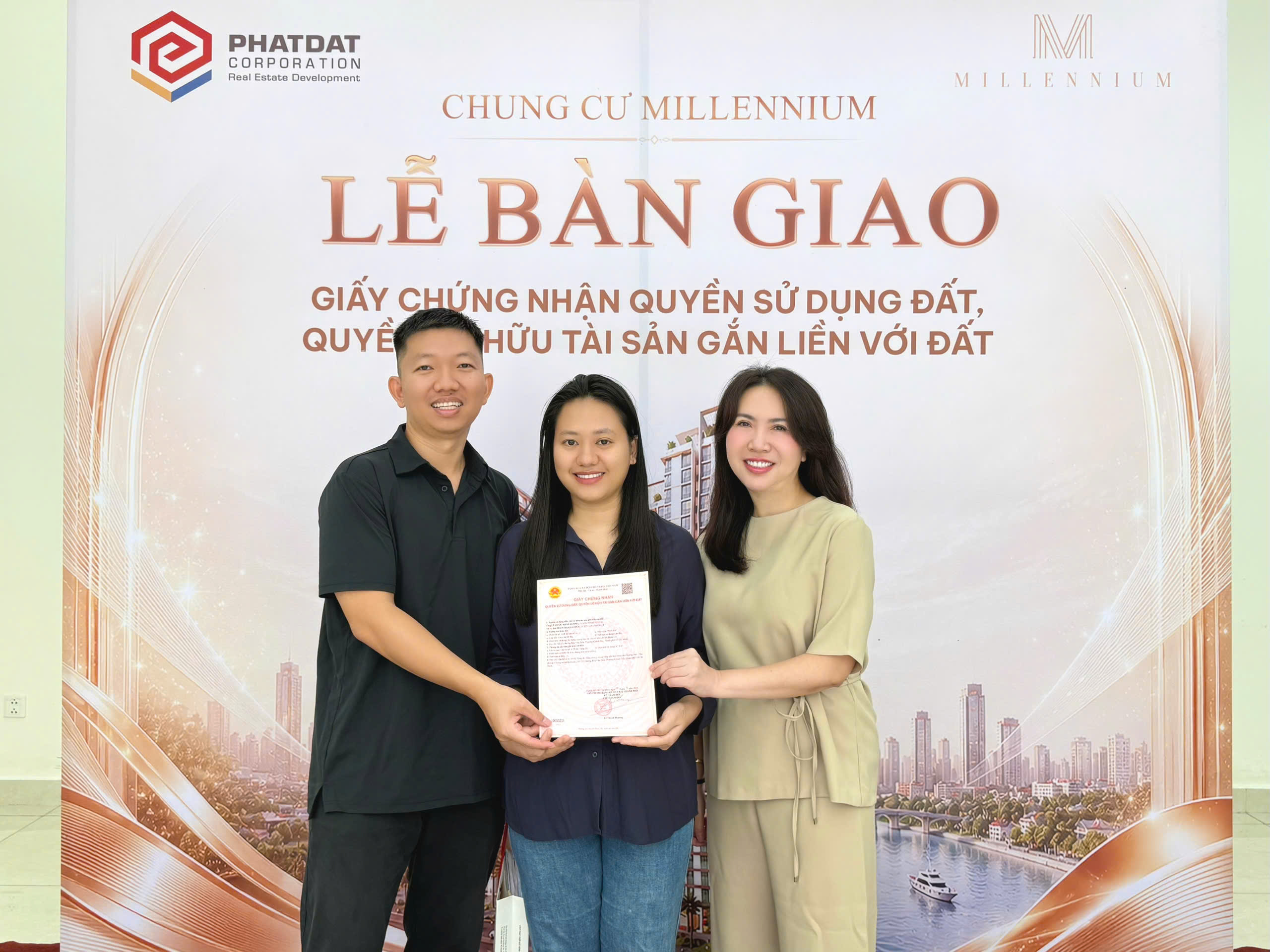
On October 10, 2026, Phat Dat Real Estate Development Corporation (PDR: HOSE) handed nearly 200 Certificates of Land Use Rights, Ownership of Houses and Other Land-Attached Assets (ownership certificates) to residents of Millennium.
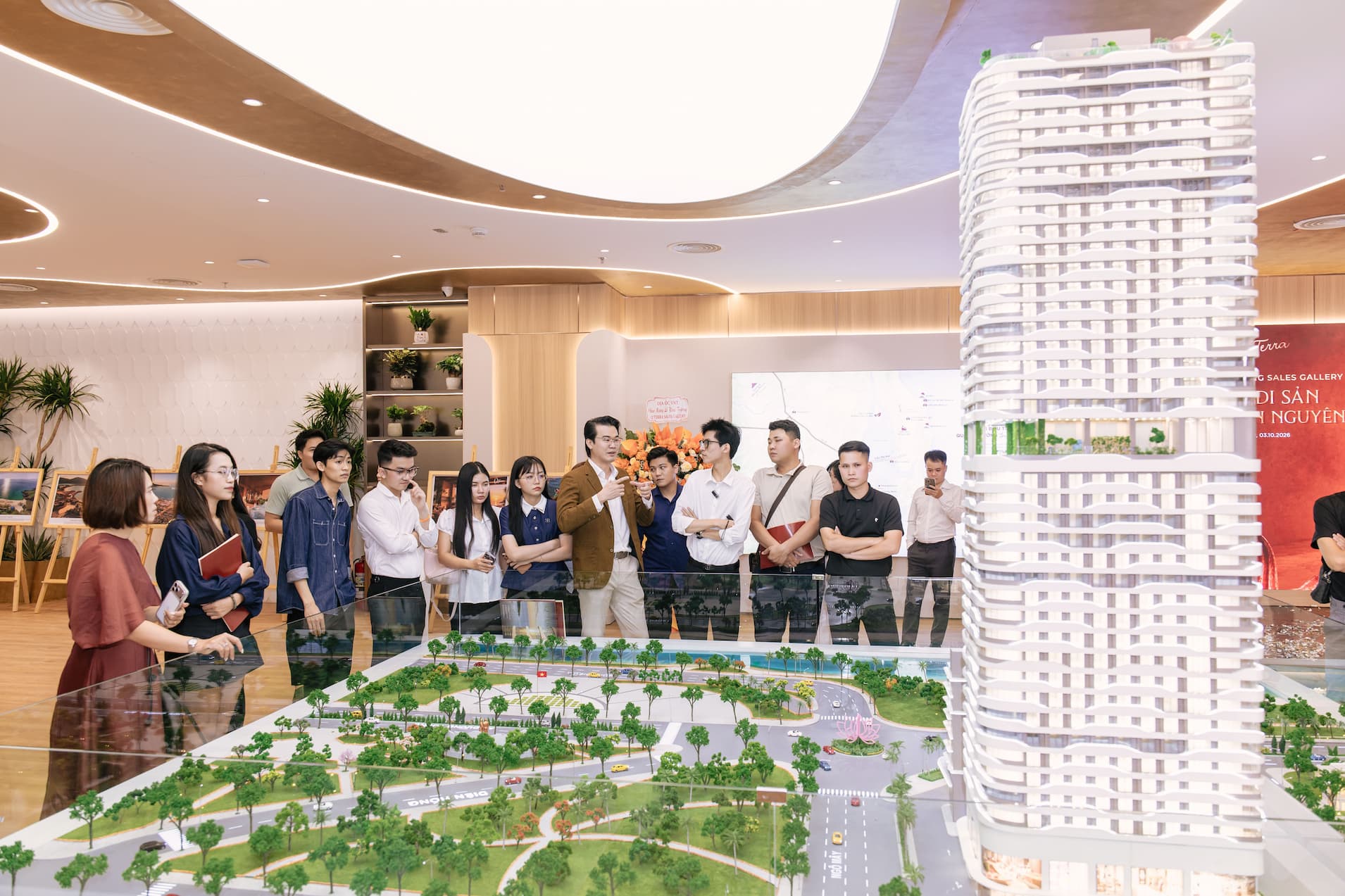
With sales offices now operating in Quy Nhon and Hanoi and a new Show Flat Complex under construction in HCMC, Phat Dat Real Estate Development Corporation (PDR: HOSE) is strengthening its sales infrastructure nationwide for the Company's next business cycle with ongoing and upcoming projects, including Lotte Eco Smart City Thu Thiem.
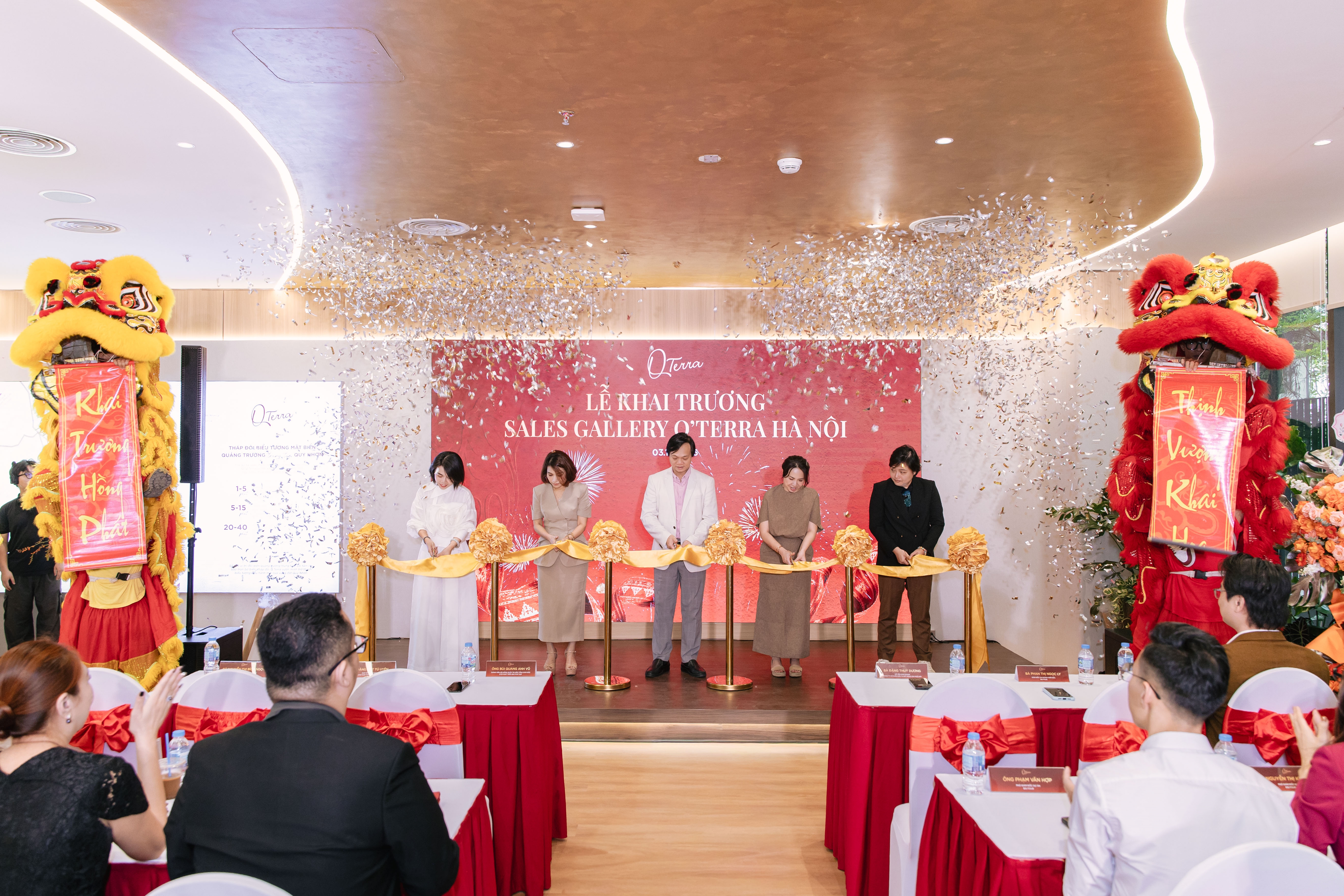
On October 3, 2026, Phat Dat Real Estate Development Corporation (PDR: HOSE) officially opened its Sales Office at Grand Terra Building, 36 Cat Linh Street, Hanoi. The new office marks another step in Phat Dat's plan to expand its presence in Hanoi and across Northern Vietnam, while providing customers in the region with a convenient place to explore the Company's projects.
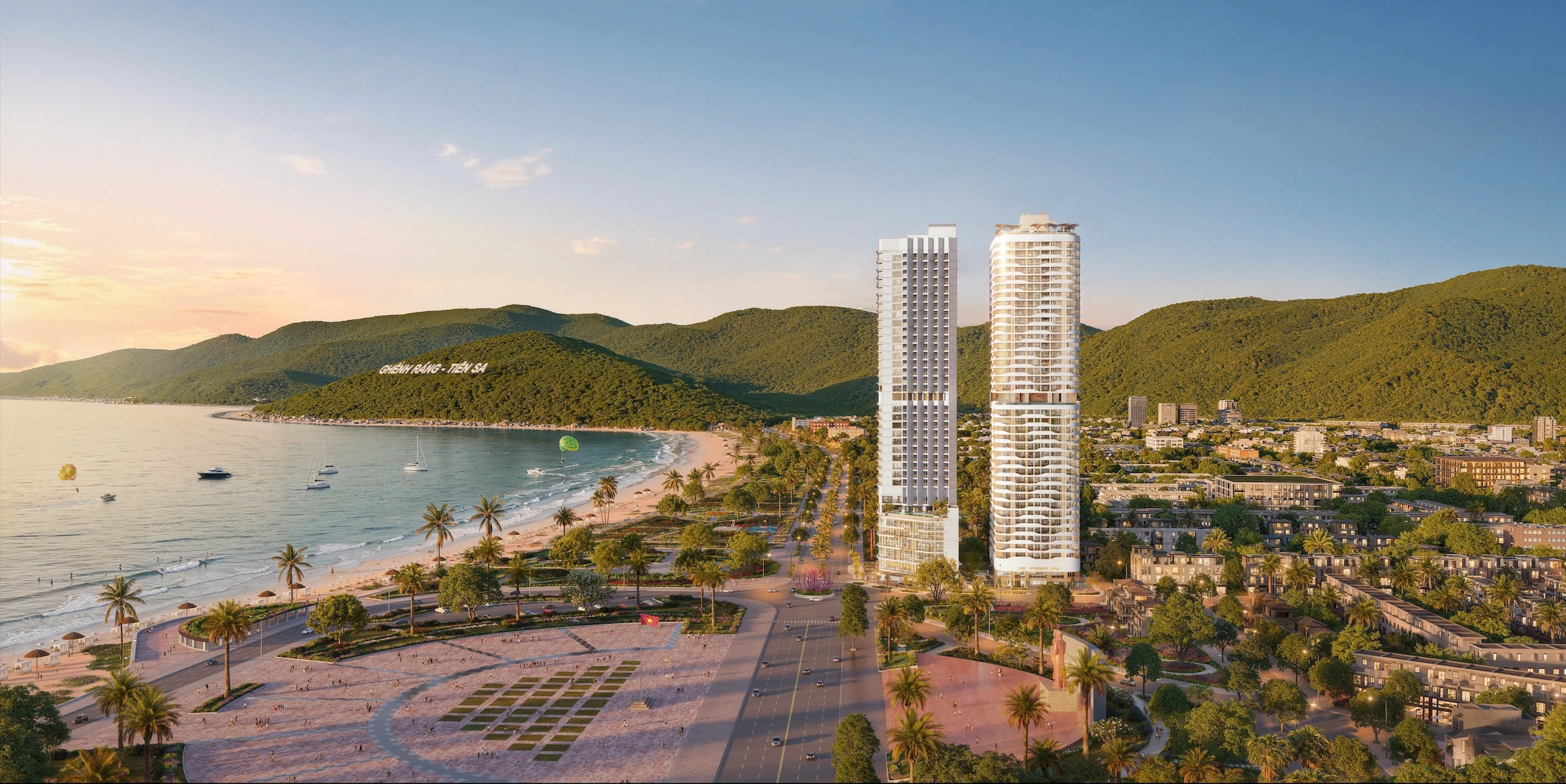
Phat Dat introduces Q'Terra, a 39-story beachfront tourist apartment tower in the heart of Quy Nhon Nam ward, Gia Lai province, targeting the accommodation needs of the area.
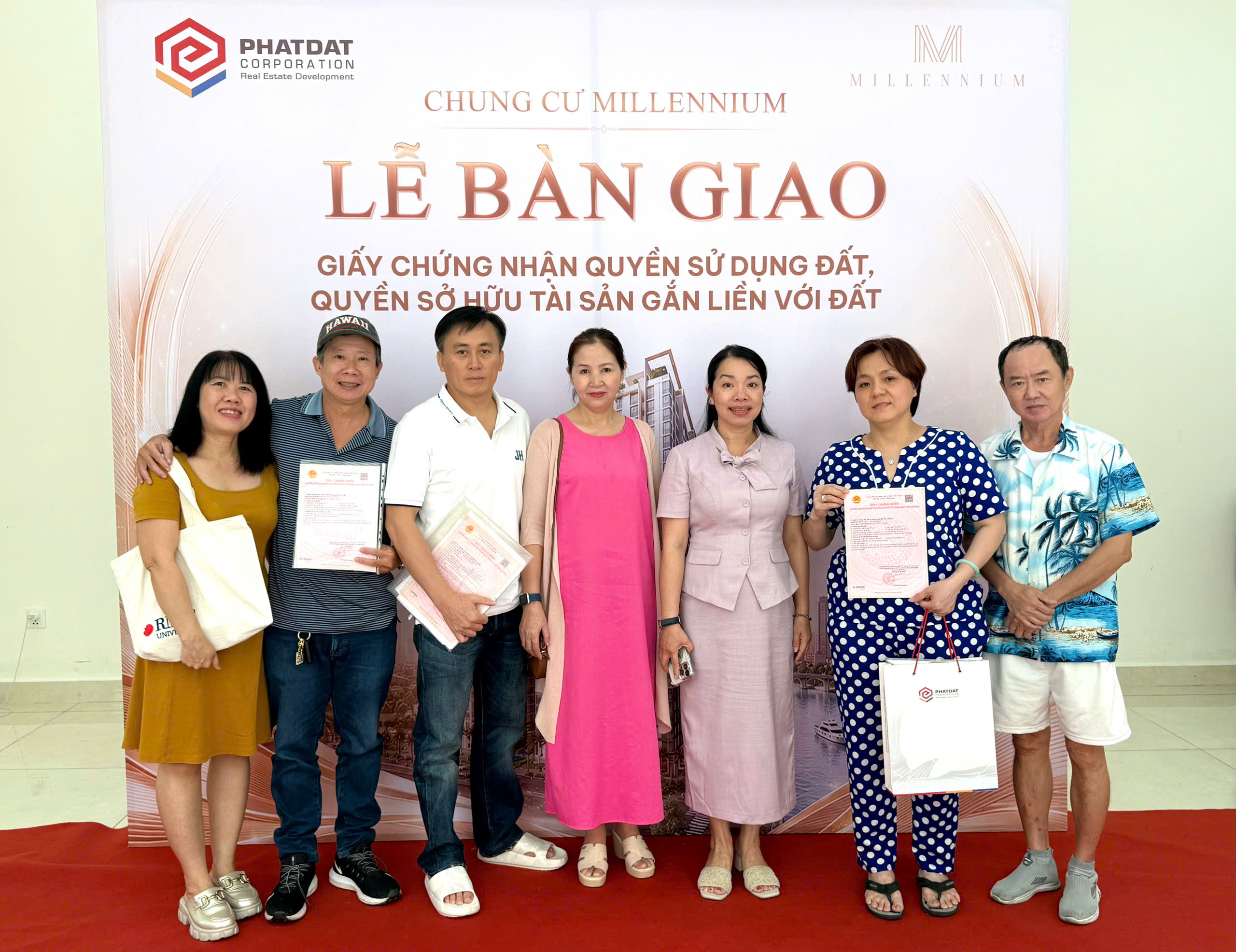
On September 26, 2026, Phat Dat Real Estate Development Corporation (PDR: HOSE) held the first group handover of ownership certificates to Millennium residents. The certificates, formally known as Certificates of Land Use Rights, Ownership of Houses and Other Land-Attached Assets, were handed over at the building's Community Room at 132 Ben Van Don Street, Khanh Hoi Ward, HCMC.