


Deputy Prime Minister: Resolving land-related issues for businesses to the very end.
Deputy Prime Minister Ho Quoc Dung requested a review and resolution of obstacles faced by businesses regarding land prices, land lease fees, and planning, and to incorporate these into the process of amending the Land Law.
On August 12th, Deputy Prime Minister Ho Quoc Dung chaired a meeting on addressing the requests and difficulties faced by businesses in the areas of land, environment, mineral exploitation, and raw materials.
He stated that the shortcomings and valid recommendations must be resolved definitively. Unclear issues need specific guidance, with the goal of providing substantial solutions for businesses.
Regarding land-related matters, the Deputy Prime Minister requested a review and resolution of issues related to land unit prices, land price lists, adjustment coefficients, land lease fees, tax enforcement, and planning. For the environment, management agencies need to focus on resolving issues related to community consultation, procedures for dredging and maintaining seaport channels, deposits for importing scrap materials, the circular economy, production, and recycling.
According to the Deputy Prime Minister, in the coming period, laws related to agriculture and the environment will be amended, including the Land Law. Therefore, the Ministry of Agriculture and Environment needs to incorporate feedback on land issues into the amendment process of the law or guiding decrees.
"It's not enough to just respond; we must find solutions so that businesses can succeed," the Deputy Prime Minister said, while also requesting the Ministry of Agriculture and Environment to thoroughly address the issues raised by businesses.
According to him, more than one million businesses are making significant contributions to the budget and economic growth. If business operations are hampered, the untapped resources will directly affect growth targets. Therefore, removing obstacles for businesses is also a solution to promote economic development.

At the meeting, Deputy Minister of Agriculture and Environment Vo Van Hung stated that the agency had reviewed 18 groups of issues and recommendations, and had responded to them, identifying the competent units to handle them for businesses. However, according to the Ministry of Agriculture and Environment leadership, some inter-sectoral obstacles such as land finance, interest rate support, scrap metal deposits, and ash and slag standards require coordinated inter-sectoral resolution.
According to the Vietnam Chamber of Commerce and Industry (VCCI), the main obstacles include discrepancies in land valuation, and businesses paying for land but not yet receiving the premises. Other shortcomings stem from a lack of quantitative criteria, and waste management practices that favor disposal over recycling.
From a business perspective, Nguyen Hoai Nam, Secretary General of the Vietnam Association of Seafood Processing and Export, proposed extending the land use term for large-scale agricultural and aquaculture projects. According to Mr. Nam, many aquaculture areas only have a 20-year land use term, which is not commensurate with the large capital and infrastructure investments.
Chairman of the Vietnam Young Entrepreneurs Association, Dang Hong Anh, expressed his desire for a single-point mechanism to streamline investment, construction, and land procedures, instead of requiring businesses to work with multiple departments and agencies. He also suggested that environmental impact assessment reports completed before decentralization to local authorities should be retained to avoid redoing them.
In response to the recommendations, Deputy Prime Minister Ho Quoc Dung requested relevant agencies to categorize and address each recommendation specifically within August. He reiterated the principle of "no avoidance, no passing the buck," clearly defining responsibilities and the lead agencies for handling them.
Government leaders also noted that the streamlined business procedures and conditions should not be transformed into other regulations in the form of standards, norms, or "sub-licenses." This is to avoid the situation of "removing regulations in one place but transferring them elsewhere."
Source: VnExpress.
TIN TỨC LIÊN QUAN
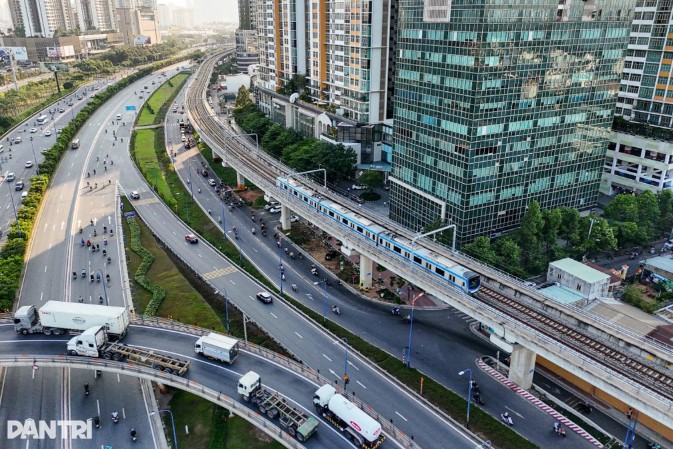
(Dân trí) - Sau gần 2 năm metro số 1 ở TPHCM vận hành, giá căn hộ dọc tuyến tăng mạnh, có dự án tăng hơn 400%, khiến nhà ở gần ga ngày càng khó tiếp cận với người có thu nhập trung thấp.

Để thu hút dòng khách có mức chi tiêu cao và kéo dài thời gian lưu trú, bất động sản nghỉ dưỡng Quy Nhơn cần bổ sung nguồn cung lưu trú chất lượng, đa dạng hóa trải nghiệm và kết nối tốt hơn với các giá trị.
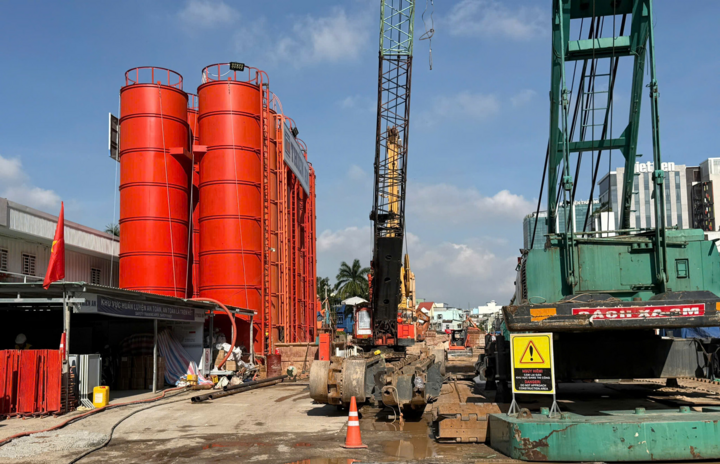
TP.HCM dự kiến khởi công 5 tuyến metro cuối năm 2026, trong số này, tuyến Thủ Thiêm kết nối sân bay Long Thành có quy mô vốn lớn nhất, với khoảng 134.000 tỷ đồng.
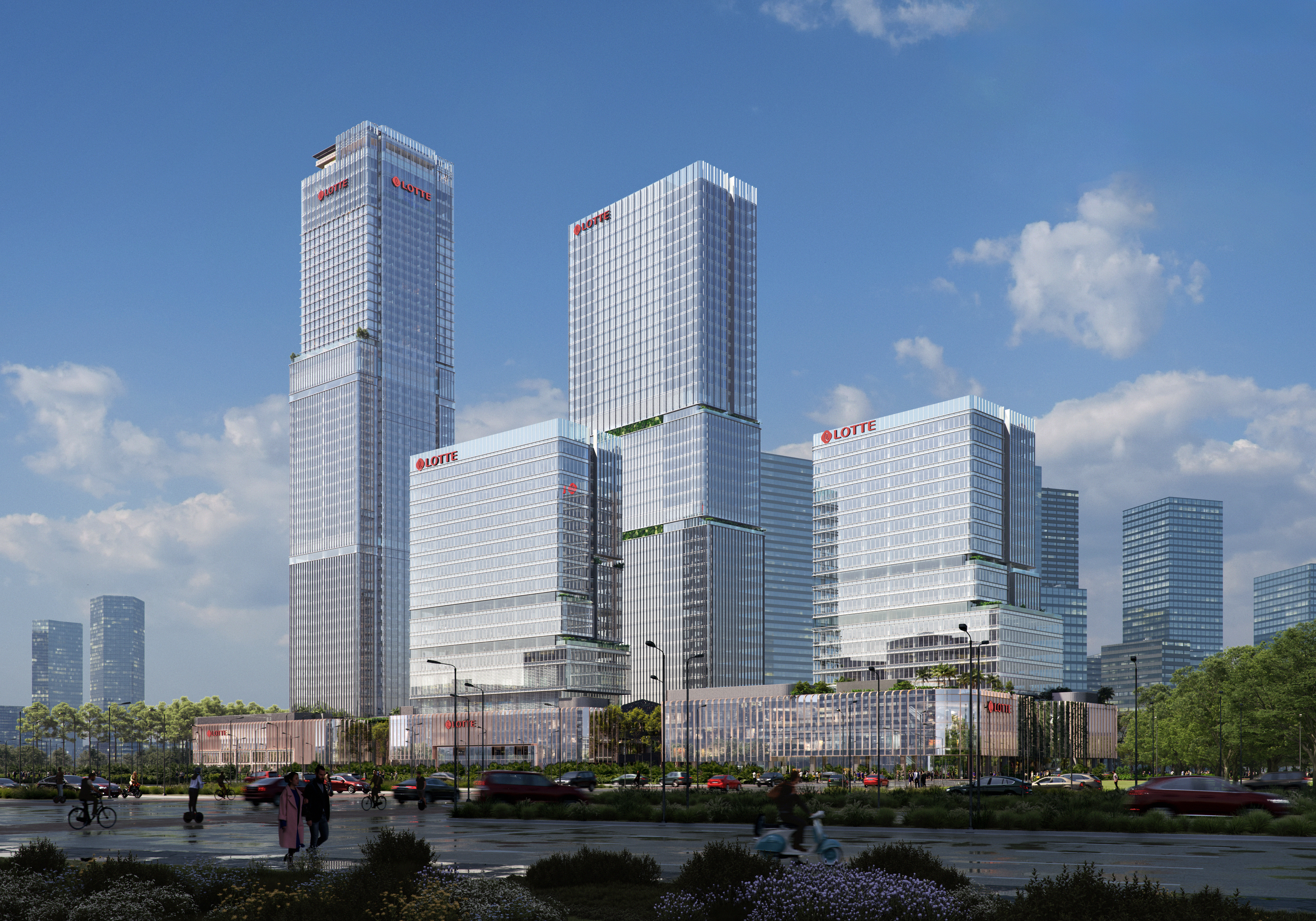
Lotte (gồm Lotte Shopping Co., Ltd, Hotel Lotte Co., Ltd, Lotte Engineering & Construction Co., Ltd) và Công ty Cổ phần Phát triển Bất động sản Phát Đạt (PDR: HOSE) sẽ cùng khởi công hợp phần nhà ở và hợp phần thương mại – dịch vụ kết hợp văn phòng thuộc dự án LOTTE Eco Smart City Thu Thiem vào ngày 23/10/2026. Dự án do Công ty TNHH LOTTE Properties HCMC phát triển.
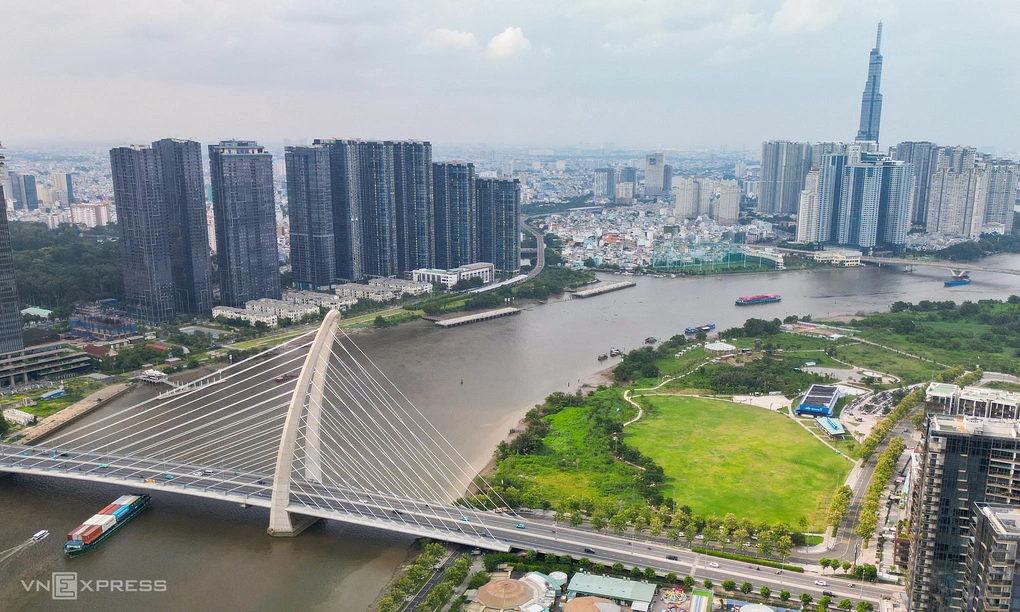
Việt Nam có hơn 16.000 căn thuộc diện "bất động sản hàng hiệu" (gồm cả đã và đang hoàn thành) nhiều thứ ba thế giới, sau UAE và Mỹ, theo Global Branded Residences.
Ngày 13/10/2026, Công ty Cổ phần Phát triển Bất động sản Phát Đạt (PDR: HOSE) phát hành Bản tin Nhà đầu tư tháng 10/2026, cập nhật những thông tin đáng chú ý về hoạt động doanh nghiệp, tình hình cổ phiếu PDR và tiến độ triển khai các dự án trong kỳ.

Tính đến tháng 10/2026, công tác xây dựng tại các phân khu của dự án La Pura liên tục được triển khai, ghi nhận nhiều dấu mốc thi công mới.
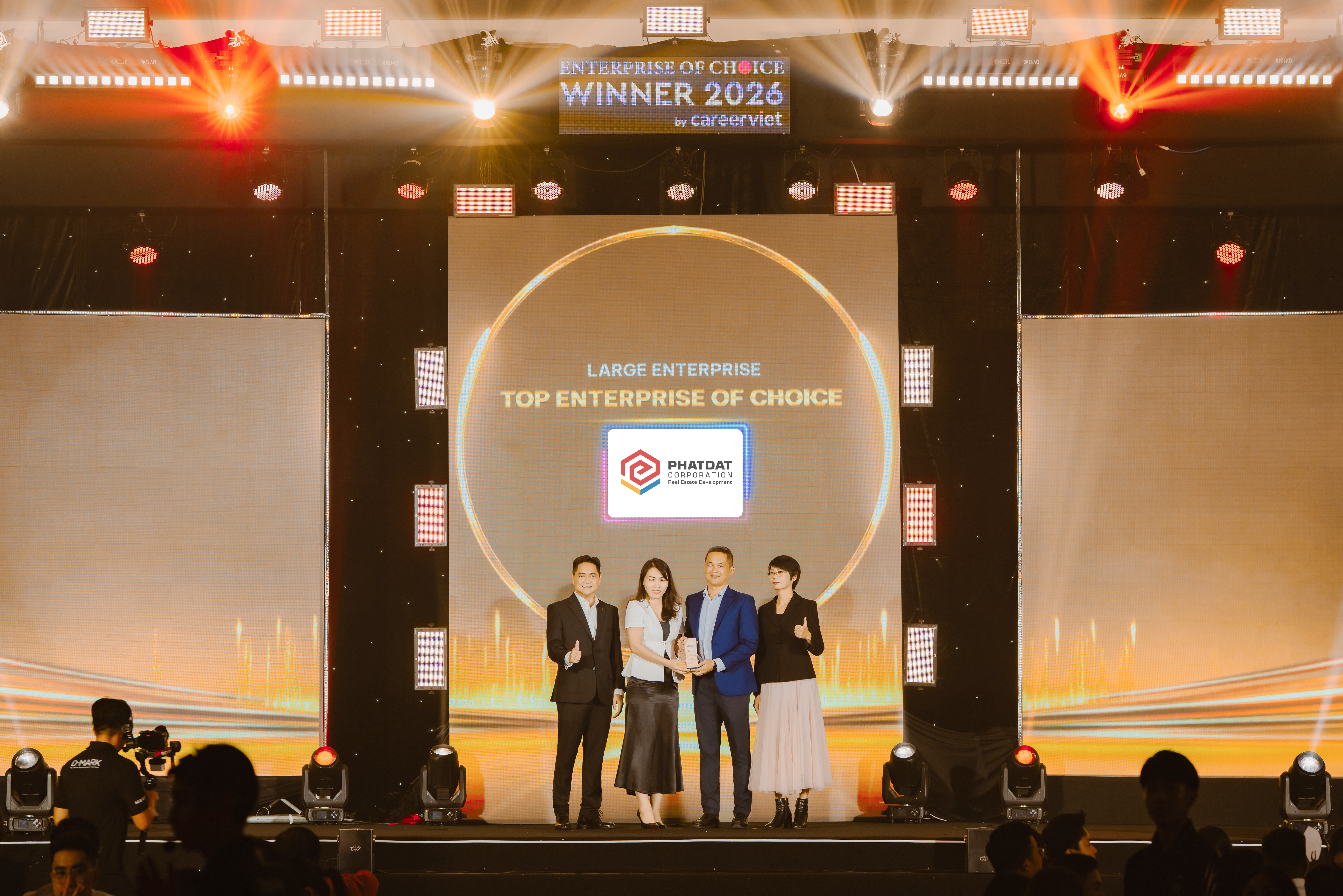
Mới đây, Công ty Cổ phần Phát triển Bất động sản Phát Đạt (PDR: HOSE) tiếp tục được xướng tên tại lễ trao giải “Doanh nghiệp yêu thích – Enterprise of Choice 2026”. Chương trình do CareerViet phối hợp cùng công ty nghiên cứu thị trường Amco Vietnam thực hiện, ghi nhận những doanh nghiệp được người llao động đánh giá cao về môi trường làm việc.