


Real estate revenue in Ho Chi Minh City grew by double digits
In the first ten months of the year, revenue from real estate business services in Ho Chi Minh City is estimated at VND 373,011 billion, an increase of 10.8% compared to the same period last year.
According to Ho Chi Minh City Statistics, in the first 10 months of this year, real estate business revenue accounted for more than 56.6% of the total revenue of other service groups in the city. The demand for housing construction and completion also recorded retail sales of wood and building materials reaching over 97,000 billion VND, an increase of 28% compared to the same period last year.
Revenue from housing and land (domestic revenue) in the first 10 months is estimated at VND 78,917 billion, an increase of 20% compared to the same period last year. This revenue accounts for more than 10% of the total state budget revenue and reached over 67% of the annual forecast. Regarding investment capital implemented from the state budget managed by localities, revenue from land use funds accumulated in the first 10 months is estimated at VND 30,702 billion, an increase of 51% compared to the same period and reaching 43% of the annual plan.

Currently, Ho Chi Minh City has reviewed 921 stalled and long-standing projects; completed resolving obstacles for 361 projects (reaching 39%) and determined solutions for the remaining 560 projects. Regarding land clearance, compensation, support, and resettlement for 3 key projects have been basically completed, with land handover rates ranging from 98% to 100%.
Dr. Le Ba Chi Nhan, an economic expert, stated that the increase in revenue from real estate business services and budget revenue from housing and land shows that the Ho Chi Minh City market is gradually recovering, making a clear contribution to the city's economic growth. However, he acknowledged that this is only an initial sign and it is premature to confirm that the market has entered a sustainable growth cycle.
Advertisement
Experts assess that resolving the bottlenecks for 361 out of 921 stalled projects is not simply about solving difficulties for businesses, but essentially about unlocking a large amount of frozen land resources, investment capital, and social assets. When projects are restarted, the flow of capital, construction activities, materials, finance, brokerage, services, and jobs will be simultaneously activated. This ripple effect directly impacts GRDP growth, budget revenue, and economic demand. However, regarding the remaining 560 untapped projects, he believes the city needs to shift from a project-by-project approach to a systemic bottleneck resolution mechanism.
According to Dr. Nhan, there are three strategic issues that need to be prioritized. Firstly, the city needs to establish a truly competent inter-agency task force mechanism, classifying projects according to groups of obstacles: legal, planning, land, financial obligations, and investment procedures; clearly defining the responsible agency, the deadline for resolution, and the responsibility of the head of the agency.
Secondly, the land valuation mechanism needs fundamental reform as it is one of the biggest bottlenecks. The management agency needs to build a transparent and unified land price database, applying valuation methods appropriate to the characteristics of each area and market conditions. Clearly defining financial responsibilities at the time obligations arise will help avoid situations where projects drag on for many years due to unfair pricing and policy constraints, preventing businesses from continuing their investments.
Thirdly, removing legal obstacles needs to be linked to the goal of bringing actual products to market, prioritizing affordable housing, social housing, and projects that can be implemented immediately.
According to this expert, the last two months of the year are crucial for the city's ability to achieve its budget revenue and public investment targets. Revenue from land use funds increased by 51% year-on-year, indicating a strong recovery in land-related revenue. However, achieving only 43% of the annual plan reflects the reality that while there is still significant financial potential from land, the ability to convert this resource into actual budget revenue remains limited by legal procedures, land valuation, and project implementation progress.
Mr. Nhan believes that revenue from land could significantly increase if the city simultaneously accelerates three stages: completing the determination of specific land prices, organizing auctions for land plots that meet legal requirements, and settling financial obligations at projects that have completed the necessary procedures.
Experts also recommended that the city should not only view land as a one-time source of budget revenue, but also as a resource that creates long-term added value, shifting from a mindset of maximizing immediate revenue to optimizing land use efficiency, investment efficiency, and the capacity to generate sustainable revenue.
"A dollar of capital from land only truly has value when it is transformed into infrastructure, production, jobs, and economic growth. This is the measure of the effectiveness of land finance policies, not simply the amount of money collected from auctioning land use rights," Dr. Nhan emphasized.
Source: VnExpress.
RELATED NEWS

The expansion of seaports, airports, and inter-regional transportation routes connects Quy Nhon, creating more opportunities for the real estate market.
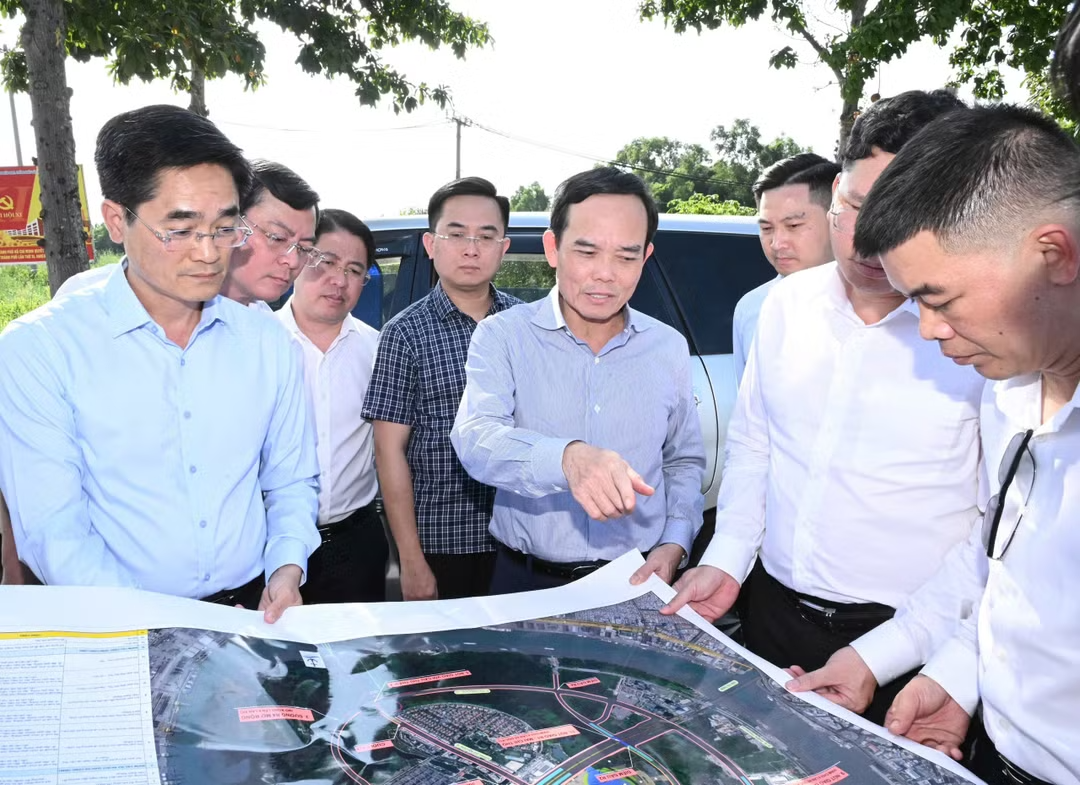
TPO - Mr. Tran Luu Quang commended the city's departments, agencies, and investors for coordinating the implementation of projects and works to ensure progress, including the City Center Square Project and the Ho Chi Minh City Administrative Center.
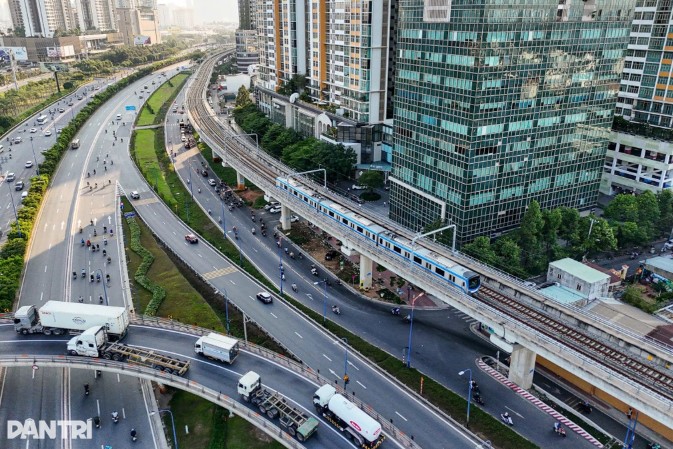
(Dan Tri Newspaper) - After nearly two years of operation of Metro Line 1 in Ho Chi Minh City, apartment prices along the route have increased sharply, with some projects seeing increases of over 400%, making housing near stations increasingly inaccessible to low- and middle-income earners.

To attract high-spending tourists and encourage longer stays, Quy Nhon's resort real estate needs to supplement its supply of quality accommodation, diversify experiences, and better connect with its value proposition.
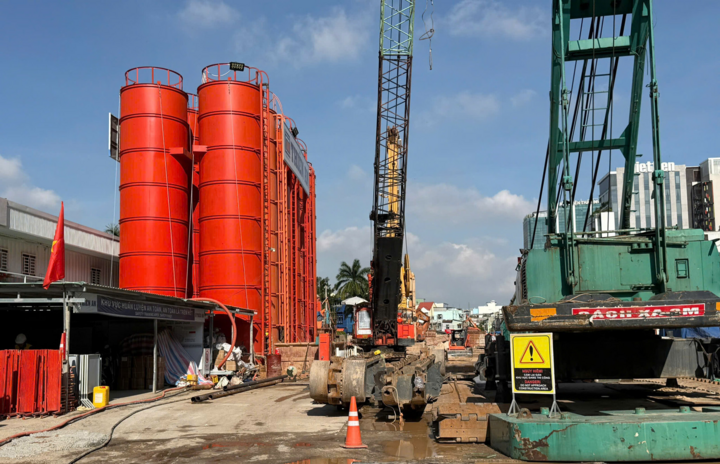
Ho Chi Minh City plans to start construction on 5 metro lines by the end of 2026. Among these, the Thu Thiem line connecting to Long Thanh Airport has the largest capital investment, at approximately 134,000 billion VND.
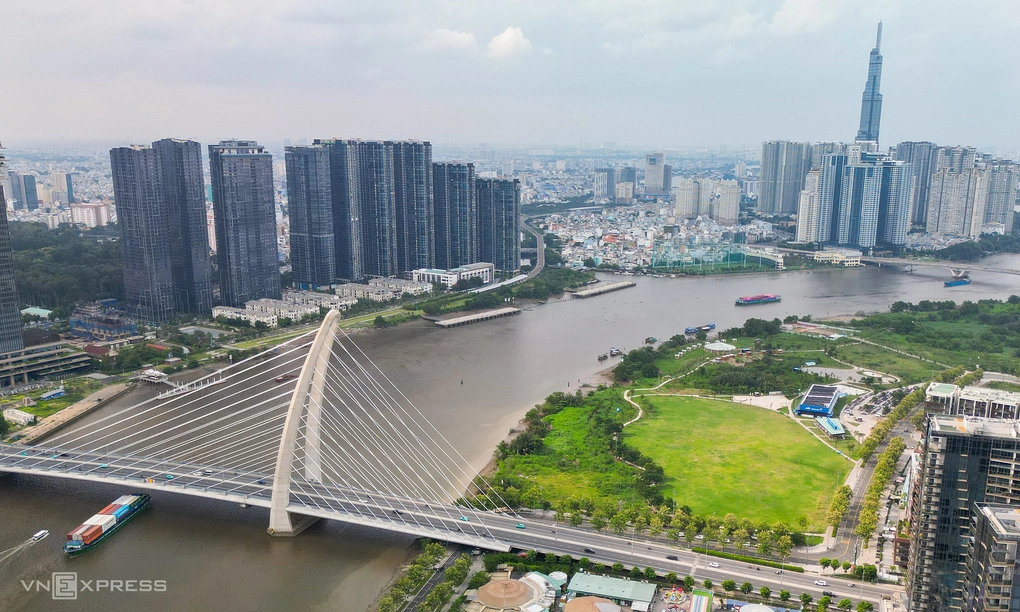
Vietnam has over 16,000 "branded" properties (including both completed and under-construction), ranking third in the world after the UAE and the US, according to Global Branded Residences.

Behind the new ranking lies significant changes in the legal framework, data, and how the real estate market in Vietnam is valued.
TPO - Phat Dat Real Estate Development Joint Stock Company has been granted permission to change the land use purpose of an additional 2,100 m2 of land to implement the Tan Phu Ward Housing Project, while Hung Loc Phat Real Estate Investment Joint Stock Company has changed the land use purpose of 37,170 m2 of land to implement the Apartment Complex Project in Tan Thuan Ward.